

June 6, 2025

By: Jon Boles
Typography That Converts: Font Psychology in Branding
In This article:
Fonts do more than fill space. They send out trust signals and influence how your audience perceives your brand.
From first impressions to conversion rates, typography works in the background to draw more traffic. Understanding font psychology can unlock a more strategic and performance-driven brand identity.
Read on to explore how specific font choices affect audience behavior and how you can apply font psychology to elevate your branding.
What Is Font Psychology?
Font psychology studies how typefaces influence our perception, emotions, and decisions.
Every font carries a subconscious meaning. Some convey authority, others friendliness, creativity, or luxury. Brands that understand this can communicate more powerfully before consumers read a single word.
According to Adobe, fonts shape design in the subconscious mind, influencing how messages are received and interpreted. Because of a font’s power to affect your perception, successful brands treat typography as a foundational element, not an afterthought.
The Psychological Traits of Font Families
Each typeface category has its own emotional fingerprint. Choosing the right family is your first step in aligning design with brand psychology.
Serif Fonts: Classic, Reliable, Formal
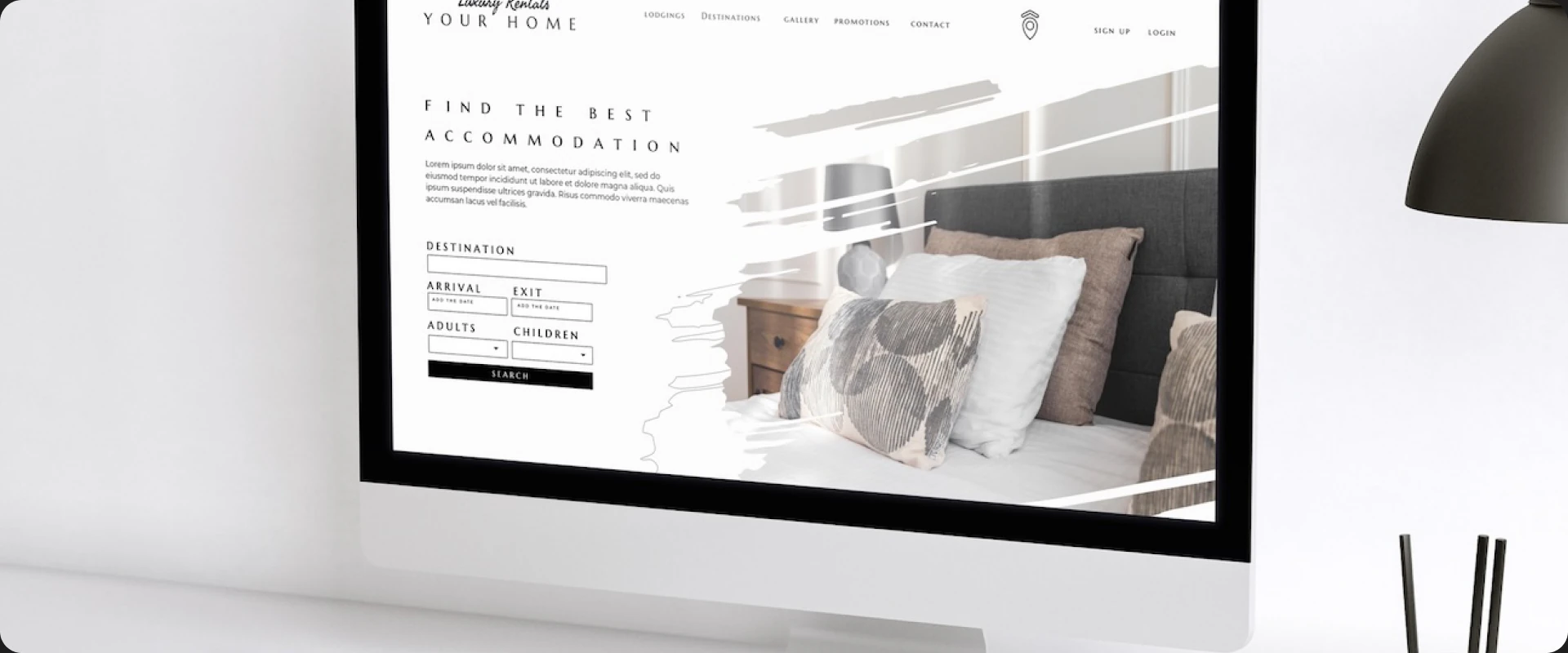
Serif fonts (like Times New Roman or Spectral) have small strokes at the ends of letters. They’re often perceived as traditional, trustworthy, and authoritative, making them ideal for industries such as finance, education, and law.
Examples: The New York Times, Time Magazine, Harvard University
Sans Serif Fonts: Modern, Clean, Direct
Sans serif fonts (like Helvetica or Lato) are minimal and legible. Tech, healthcare, and wellness brands often prefer them for their approachable and modern feel. They communicate clarity and confidence.
Examples: Google, Airbnb, Spotify
Script Fonts: Personal, Elegant, Expressive
Script fonts mimic handwriting, giving them a warm and artistic feel. Ideal for boutique brands, wedding businesses, and artisanal products. However, be cautious, as overuse or poor legibility can damage credibility.
Examples: Coca-Cola, Hallmark, Cadillac
Display Fonts: Bold, Distinctive, Attention-Grabbing
These fonts make a statement. They’re used sparingly, typically in headlines or logos, to stand out. Display fonts work when you want to be remembered, but consistency and moderation are key.
Examples: Disney, Fanta, YouTube Kids
How Font Psychology Influences Brand Perception
Fonts set the tone before your message even lands. They impact how consumers perceive your credibility, style, and intent. For example:
- A fintech startup may use a modern sans serif to feel progressive and secure
- A boutique skincare brand with an elegant script font can feel premium and personal
- A fast-food chain using bold display fonts can be high-energy and attention-grabbing
Shifts in typography can dramatically change audience sentiment. For this very reason, a rebrand often begins with font changes.
Fonts That Drive Conversions: Psychology at Work
The fonts you choose aren’t just about brand perception. Typography also drives action. Fonts can influence:
- CTA engagement: Serif fonts may signal professionalism, while sans serif fonts often perform better for digital buttons and mobile readability
- Reading time and comprehension: Clear, spacious fonts improve scanability and reduce bounce rates
- Trust and credibility: A 2008 study found that readers judged identical content more favorably when it was presented in a more “serious” typeface
When the visual tone aligns with the brand’s promise, it strengthens the reader’s confidence in the content.
Typography in the Context of Brand Consistency
Fonts shouldn’t vary wildly across your website, emails, ads, and product packaging. Inconsistent typography weakens your brand’s visual identity and trustworthiness.
At AVINTIV, we embed font psychology into your brand style guide during the AVINTIV WAY process. That includes:
- Primary and secondary font pairings
- Font usage rules (headlines, body text, CTAs)
- Mobile and accessibility considerations
Adopting this framework helps your brand feel more consistent across all channels, enhancing the overall customer experience.
Inconsistencies, even in something as subtle as font style, can create confusion or break down credibility, especially for premium, performance-driven brands.
FAQs About Font Psychology
What is the psychology behind fonts?
Font psychology examines how typefaces impact emotions and behavior. Different fonts evoke specific responses, from trust and tradition (serifs) to innovation and clarity (sans serifs).
How to use font psychology?
Match your font style to your brand personality and customer expectations. For example, use clean sans serifs for tech or wellness brands, and elegant scripts for lifestyle or personal brands.
What font reduces anxiety?
Soft, rounded sans serif fonts like Open Sans or Lato tend to feel more calming and approachable than rigid, sharp typefaces.
Is font psychology actually used in branding?
Absolutely. Brands invest in font strategy for logo design, websites, and ad campaigns because it directly impacts customer perception and conversions.
Elevate Your Brand with Strategic Typography
Your typography choices need to be strategic to make a lasting impression. Font psychology gives you a toolkit for shaping how your audience feels, thinks, and acts.
Bold, consistent fonts aligned with brand intent = better results.
If your current typography isn’t pulling its weight, it’s time to upgrade. AVINTIV helps brands translate emotion into design, and fonts play a critical role in that process.
Let’s turn font psychology into your next competitive advantage. Schedule a discovery call today.
About the Author
Jon Boles
Founder & CEO of AVINTIV
Jon Boles is an entrepreneur, investor, and Founder & CEO of AVINTIV, helping companies scale through brand strategy and performance marketing. He also leads Boles Capital, advising high-growth companies across health, tech, and consumer products. Recognized by Forbes and Entrepreneur.com, Jon has built 12 companies, exited two, and helped hundreds of brands generate over $1B in revenue, valuations & exits.
Related articles
You May Also Like
Avintiv Media Makes Clutch’s Annual List of Top SEO Firms in Arizona
Top Tips For Being Productive While Working From Home
Avintiv Media Wins Top Automotive Web Designer Award
Your Next Stage of Growth Starts Here.