2026 Digital Trends Forecast: What You Should Prepare For

2025 was a tipping point. AI moved from experimentation to expectation. Consumer behavior shifted faster than most teams could adapt. And search began evolving into something fundamentally new. 

Across our clients and category conversations, the message was clear: The pace of transformation is compounding, and not slowing down.

As we move into 2026, clarity, authority, and cohesion are no longer competitive advantages. They’re baseline requirements for any brand that wants to scale. 

The companies that win next year will be the ones that align brand, product, and performance into a single high-functioning system designed for adaptability and ROI.

TL;DR: What You Need to Know for 2026

  • Messaging must be radically clear. Ambiguity kills differentiation.
  • Proof-driven authority outperforms classic storytelling.
  • Branded experiences need to unify every touchpoint across the ecosystem.
  • Visual identities become modular and adaptive.
  • Answer Engines redefine search visibility; AEO is now essential.
  • AI strategy replaces AI content as the differentiator.
  • First-party data becomes the foundation of performance.
  • Human-forward brands rise above AI saturation.

The Big Picture Behind 2026 Digital Trends

2026 won’t be a year for scattered experimentation. It’s a year for operationalizing what’s already changing: AI reshaping workflows, search prioritizing answers over keywords, and customers expecting seamless, intuitive experiences across every touchpoint.

The companies that outperform in the new year won’t be the ones trying everything. They’ll be the ones who choose the right things and integrate them exceptionally well.

What’s shifting at the macro level:

  • Digital ecosystems are evolving into experience-led environments.
  • AI’s value shifts from content production to strategic intelligence.
  • Search is becoming context- and entity-driven, not keyword-led.
  • First-party data replaces fragmented tracking and unreliable signals.
  • Brand consistency becomes the backbone of trust and conversion.

Branding Trends That Will Define 2026

Every significant change we’re tracking ties back to one critical reality: buyers expect clarity, proof, and coherence at every touchpoint. If your brand cannot deliver that instantly, the market moves on. 

Here’s where that expectation is headed in 2026 and how it shows up across your brand system.

Radical Clarity: Brand Messaging Gets Sharper, Shorter, and More Direct

Consumers have less patience, more choices, and far more exposure to repetitive AI-driven messaging. 

In 2025, we saw the most successful brands distill their value propositions into clean, outcome-focused statements that instantly clarified their value.

Radical clarity removes friction across the entire customer journey. It helps people understand who you are, who you serve, and what you deliver within the first few seconds of interaction.

What radical clarity looks like:

Brand Authenticity Moves From “Storytelling” to Proof-Driven Authority

Over the past year, we saw a clear shift toward brands that demonstrate expertise through evidence. Proof now builds trust faster than any other branding mechanism.

In 2026, proof-driven branding becomes the foundation of credibility. 

Real outcomes, real clients, real numbers, and genuine expertise earn attention in a market oversaturated with generic storytelling.

Proof-driven authority signals:

  • Case studies and performance data
  • Expert-led content and analysis
  • Transparent process explanations

The Rise of “Branded Experiences” Across Digital Ecosystems

A brand is no longer a logo, website, or message. It’s the sum of every digital experience a customer has with your business: from their first Google search to onboarding, product usage, and long-term engagement.

Brands with fragmented experiences struggled to convert and retain customers throughout the year. And in 2026, seamless, cohesive digital ecosystems will become increasingly expected.

How to evaluate your ecosystem:

  • Map a customer journey from discovery to retention
  • Identify tonal or UX inconsistencies
  • Assess whether your digital environment feels intentional and unified

Visual Identity Evolves Toward Adaptive, Modular Systems

Design environments are no longer static. They’re responsive, AI-influenced, and constantly shifting across devices, themes, and layout contexts. Static brand systems simply don’t scale.

Over the next year, modular identity systems will let brands maintain visual consistency while adapting effortlessly to new surfaces.

Key components of modular identity:

  • Logo and icon variations for different media
  • Scalable typography that retains hierarchy
  • Color systems built for light, dark, and AI-rendered spaces

Human-Forward Branding Returns as a Counterbalance to AI

AI-generated content has created a flood of similar content across the internet. 

As a result, people want to see the humans behind the brand, including the leaders, experts, and teams who make the work happen.

The most successful brands this year embraced transparency, personality, and perspective. In 2026, this will become a competitive differentiator for brands that stand out.

What human-forward branding includes:

  • Founder and leadership perspective
  • Behind-the-scenes storytelling
  • Authentic team representation
  • Real customer stories and voices

Human brands win because trust is human-driven. AI can support a strategy, but it can’t replace emotional connection.

Marketing Trends Every Leader Must Prepare For in 2026

As digital ecosystems mature, the pressure on marketing performance continues to rise. 

Leaders can no longer rely on channel tactics or one-off campaigns. They need systems that work together, data that informs every decision, and visibility across the entire customer journey. 

Search Shifts to Answer Engines as GEO Becomes a Core Strategy

Search is undergoing its most significant transformation since the rise of mobile. AI-generated answer experiences are replacing traditional results, reducing clicks, and restructuring how brands earn visibility.

What we saw in 2025 was the beginning of a restructured discovery ecosystem. Users increasingly received a synthesized, AI-generated response rather than a list of links. 

In 2026, those answer environments will become a primary interface between your brand and your buyer.

Why this shift matters:

  • Buyers want instant clarity, not extended exploration
  • Entity-based understanding is replacing pure keyword matching
  • AI surfaces the most straightforward, most authoritative answer, not just the most optimized page

What brands must adopt:

  • Structured content that resolves high-intent questions
  • Clean hierarchy with answer-led formatting
  • Robust entity modeling for people, products, topics, and categories

AI-Enhanced Strategy Takes the Lead Through Data Analysis

What stood out in 2025 were brands that used AI for intelligence, not as an autopilot. They used AI to better understand their markets, process large datasets, and accelerate ideation, while keeping strategy, voice, and perspective firmly human-led.

In 2026, the value of AI shifts decisively toward strategic augmentation. The question is no longer “How much can we produce?” but “What are we learning and how does it sharpen our decisions?”

Where AI creates real value:

  • Audience and trend analysis at scale
  • Competitive content and category mapping
  • Rapid message and creative testing
  • Scenario modeling and forecasting

Performance Marketing Gets Rebuilt Around First-Party Signals

In 2025, the brands that invested early in first-party data infrastructure gained a measurable edge. They had cleaner attribution, stronger personalization, and more leverage in negotiations with platforms and partners. 

In 2026, first-party data will go beyond being an advantage and start becoming the expectation.

First-party signals tell you who your customers are, what they care about, and how they behave across your properties. That insight becomes the core of modern performance.

Where first-party data comes from:

  • Preference centers and profile enrichment
  • Loyalty and membership programs
  • Gated resources and lead generation flows
  • In-product or in-platform behaviors
  • Post-purchase and post-engagement surveys

Why this matters for performance:

  • Attribution models become more accurate and useful
  • Creative and audience decisions become data-driven rather than intuition-driven
  • Personalization becomes sustainable and scalable across channels

Social Platforms Shift Toward “Searchable Social” + UGC Authority

Social channels have become search engines in their own right. Users now search TikTok, YouTube, Instagram, and LinkedIn the same way they search Google — to evaluate brands, explore categories, and gather social proof.

In 2025, content structured for search-like behavior significantly outperformed passive social posting. In 2026, brands must treat social content as a discovery asset, not just an engagement channel.

Another significant shift is the way user-generated content (UGC) serves as an authority layer. Real experiences, reviews, and creator perspectives often carry more weight than polished brand campaigns.

Why UGC matters now more than ever:

  • It provides real-world validation that traditional ads cannot replicate
  • It allows potential customers to see themselves in your buyers
  • It creates a library of social proof across platforms where decisions are made

Long-Form Expert Content Returns as a Traffic Driver

Short, shallow content is now the easiest thing in the world to produce. As a result, it no longer signals seriousness or expertise. 

Long-form, expert-driven content cuts through by doing what generic content cannot: making sense of complexity, offering concrete frameworks, and showing real experience.

That momentum continues into 2026 as buyers gravitate toward sources that actually help them think.

What long-form content should include:

  • Proprietary insights and learned lessons
  • Clear frameworks and mental models
  • Detailed explanations and practical examples
  • Experience-backed recommendations and tradeoffs
  • Human-authored perspective and point of view

Long-form content isn’t just another content type. It’s the backbone of how category-leading brands articulate how they think and why they’re different.

Full-Funnel Integration Becomes the Standard, Not the Goal

Marketing, brand, sales, product, and lifecycle teams must share goals, data, and messaging to make the customer journey feel intentional. 

When those functions operate independently, the customer experience feels fragmented, and it breaks trust with your audience.

Full-funnel integration is about more than just connecting tools. It’s about aligning incentives and narratives so that every touchpoint reinforces the same promise and the same value.

What full-funnel integration includes:

  • Shared KPIs across acquisition, conversion, and retention
  • Unified brand voice and proof across touchpoints
  • Centralized customer data that informs every decision
  • Seamless lifecycle experiences tied to real behavior

The Companies That Win 2026 Will Be the Ones That Prepare Now

Every trend, from AEO to first-party data to branded experiences, signals this shift: the brands that stand out in 2026 are those that use AI to enhance decision-making while doubling down on what only humans can create. 

Clearer messaging, more substantial social proof, more cohesive experiences, and a more authentic presence will help companies succeed in the new year.

If you’re ready to build a future-proof marketing system, we want to talk to you. Contact us at AVINTIV today to schedule a discovery call.

The Impact of Digital Marketing: Orthobar Case Study

In today’s digital world, perception is reality. For most consumers, the first impression of your business happens online, long before they step through your door. 

Your website isn’t just a touchpoint. It’s your brand’s storefront, sales team, and first handshake all at once. If that experience doesn’t reflect the quality and expertise behind your business, you’re leaving trust — and revenue — on the table.

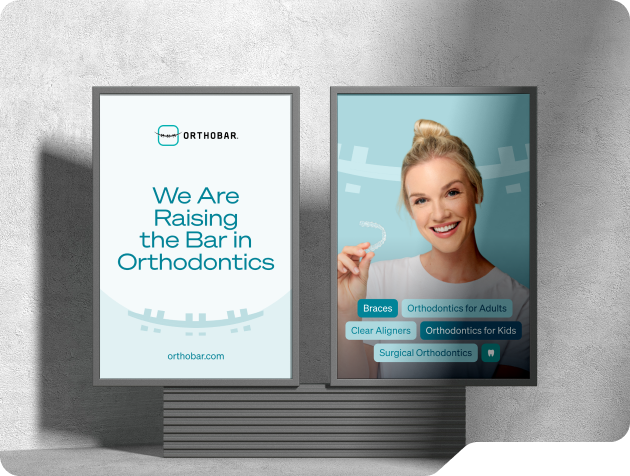
That was Orthobar’s challenge before partnering with AVINTIV. As one of the few locally owned and operated orthodontic practices in Las Vegas, Orthobar offered world-class care and a premium patient experience. But their digital presence didn’t tell that story. 

The website was outdated, its SEO performance lagged behind that of its competitors, and the content failed to effectively capture the team’s expertise and personality.

The result? Missed opportunities, weak local visibility, and a disconnect between the in-office experience and how patients found them online.

The Orthobar Story: From Outdated to Outstanding

Case studies like Orthobar showcase the impact of digital marketing when a brand fully commits to strategic alignment and performance-driven execution. 

Once a hidden gem in their market, Orthobar transformed into a category leader with a digital presence that drives measurable growth, visibility, and lasting competitive advantage.

Understanding the Challenge

Orthobar’s goal was clear: become the premier orthodontic provider in Las Vegas by owning the local digital landscape and reaching new patients through organic visibility. 

They wanted to ensure that when families in Las Vegas searched for orthodontic care, Orthobar would appear as the most trusted, recognized option.

But their online presence told a different story that didn’t match the caliber of their practice. Instead, they had:

  • An outdated website that didn’t reflect their expertise or patient-first experience
  • Low SEO visibility and limited keyword traction, making them nearly invisible in local search results
  • Minimal organic traffic and weak local authority that hindered brand awareness and discovery

Orthobar had the expertise and reputation, but their digital experience didn’t match the excellence of their in-office services. 

This gap meant potential patients couldn’t see the quality their existing patients already trusted.

How We Helped Orthobar Transform Their Digital Presence at AVINTIV

Every AVINTIV partnership begins with clarity. We identify where the brand stands and where it needs to go. Then we build the bridge that connects the two. 

For Orthobar, that meant creating a digital foundation designed for growth.

Our priority was to rebuild their website from the ground up, optimizing it for speed, usability, and conversion. Then, we launched a strategic 12-month SEO and content plan designed to expand reach and authority.

The final result of our strategy included:

  • A responsive, high-performance website
  • Educational, patient-focused content
  • Technical SEO and performance enhancements
  • Ongoing analytics, reporting, and refinement

This wasn’t just a redesign. It was an entire repositioning. Orthobar’s digital brand finally matched the quality and precision of their in-person experience.

The Power of an Aligned Marketing Ecosystem

Growth doesn’t happen by accident. It happens when every part of your brand — from your visuals to your website to your marketing strategy — works together toward a single goal.

At AVINTIV, we don’t treat branding, websites, and marketing as separate tactics. We build cohesive ecosystems that attract, engage, and convert. 

Orthobar’s transformation is proof of how powerful that alignment can be.

Branding and Website Design That Convert

Your brand sets the tone. Your website amplifies it. When both are executed strategically, they build trust, communicate value, and convert visitors into loyal customers.

For Orthobar, we built a user-focused, conversion-driven website that mirrored their private practice experience. Every design choice, from streamlined navigation to modern aesthetics, elevated their brand perception and encouraged patient inquiries. 

The new site reflected the sophistication and care that defined Orthobar, bridging the gap between online and in-person experiences.

SEO: The Driving Force Behind Visibility

A high-performing website is only valuable if it can be discovered. That’s where SEO becomes the driving force behind sustained visibility and measurable growth. 

At AVINTIV, our SEO strategies are designed to dominate search results, outpace competitors, and connect your brand with the right audience.

We developed a 12-month SEO roadmap for Orthobar, focusing exclusively on long-term performance and authority. Our approach included:

  • Targeting non-branded, high-intent keywords to capture qualified traffic
  • Executing technical SEO improvements for faster load times and stronger site health
  • Building authoritative backlinks through guest posting to strengthen reputation
  • Local SEO efforts to increase visibility within Las Vegas and the surrounding communities

Through precision targeting, data analysis, and continual refinement, Orthobar experienced rapid improvements in keyword rankings and organic visibility. 

Within months, they began appearing further up in search results for high-value orthodontic terms, driving measurable increases in qualified traffic and consultations.

Content Strategy: Building Authority Through Education

We didn’t design Orhtobar’s blog content to simply be filler. Instead, we crafted it to be a credibility engine that bolstered the team’s authority in the area.

Through blog posts, FAQs, and educational resources, we expanded their visibility while establishing them as the go-to orthodontic experts in Las Vegas.

Each piece served a purpose: 

  • Enhance SEO performance
  • Establish thought leadership
  • Increase visibility for topics that matter to their patients 

By blending keyword insights with authentic storytelling, we helped Orthobar connect with readers on a deeper level and build trust before they ever booked a consultation.


How The Orthobar’s Metrics Showcased Growth

Real growth isn’t about impressions or clicks — it’s about impact. Orthobar’s data tells a clear story: when your digital ecosystem aligns, results follow.

Year One Snapshot: Foundational Growth

After launching in January 2024, Orthobar saw dramatic improvements within the first year. 

Organic visibility soared, keyword rankings expanded across every major service area, and local traffic more than doubled. 

As a result, consultation requests increased, and Orthobar’s brand began to dominate the Las Vegas orthodontic space.

Continued Partnership and Long-Term Optimization

Now, in our second year of partnership, Orthobar’s growth has evolved from acceleration to consistency. 

Through continuous optimization, advanced tracking, and the creation of new content clusters focused on orthodontic education, they’ve built lasting authority.

The data backs this up through sustained organic growth, stronger engagement, and rising conversions. Each optimization compounds the last, proving that long-term collaboration drives measurable, repeatable success.

What Orthobar’s Results Mean for Other Local Business Owners

Orthobar’s success is proof that digital transformation isn’t reserved for enterprise brands. 

When your branding, website, and marketing work together, your business becomes easier to find, easier to trust, and easier to choose.

If your brand presents itself differently offline and online, that disconnect is costing you visibility and credibility. Alignment fixes that.

Here’s where to start:

  • Build a cohesive brand identity across every touchpoint
  • Develop a high-converting website that turns visitors into customers
  • Invest in SEO and content to stay visible and authoritative
  • Engage consistently across channels to sustain momentum

When these pillars work together, marketing stops being an expense and starts driving ROI. 

The AVINTIV Difference

What sets AVINTIV apart is our ability to eliminate fragmentation. 

Most companies juggle multiple agencies — one for branding, one for web, one for marketing — and end up with disconnected strategies. 

In contrast, we unify every piece under one roof, creating alignment that accelerates growth.

Brand Building: Crafting the Foundation for Growth

We help brands establish a foundation that defines who they are and where they’re going. From naming and identity development to website design and UX, everything we create is built to connect emotionally and strategically.

Core elements of our brand building process include:

  • Brand Naming and Strategy
  • Logo and Identity Design
  • Website Design and UX
  • Messaging Frameworks

A cohesive brand foundation builds credibility and trust, ensuring your visuals and messaging communicate one consistent, powerful story.

Brand Growth: Accelerating Momentum Through Marketing

Once the foundation is set, we activate growth through high-performance marketing. Our impactful digital marketing campaigns are designed to amplify visibility, authority, and ROI.

Core components of our brand growth process include:

  • SEO
  • Content Marketing
  • PPC Campaigns
  • Email Marketing

Every tactic works together to create a performance cycle that drives measurable, sustainable growth. Consistency across channels compounds impact, turning short-term wins into long-term success.

Together, our Brand Building and Brand Growth services form an integrated system that doesn’t just launch brands — it helps them scale, evolve, and lead.

Orthobar’s success proves that impact isn’t about size — it’s about alignment, clarity, and execution. See the complete Orthobar transformation in our portfolio.

The Real Impact of Branding and Marketing

The actual impact of digital marketing isn’t traffic or clicks. It’s a transformation of how you show up online. 

Orthobar’s journey shows what happens when brand alignment and marketing strategy move in sync: sustained growth, stronger authority, and measurable ROI.

When your digital presence matches the excellence of your real-world brand, you don’t just compete — you lead.

Ready to align your brand and digital presence? Let’s build something extraordinary together.


Landing Page Psychology: Driving Clicks With Design

In the milliseconds it takes for someone to land on your page, they make a decision: stay or leave. 

Users decide in about 0.05 seconds whether they trust a website enough to stay on it. That means first impressions aren’t just quick — they’re everything.

Many brands invest energy in visuals without understanding the underlying reasons behind engagement. A beautifully designed page can still fail if it doesn’t align with how people think, feel, and make decisions.

The solution isn’t adding more design elements. It’s understanding the psychology behind them. By learning what drives attention, emotion, and trust, brands can turn static landing pages into persuasive, performance-driven experiences.

TL;DR: The Essentials of Landing Page Psychology

  • Visitors make split-second trust decisions based on design.
  • Color and structure trigger subconscious emotions that guide clicks.
  • Simplicity, familiarity, and focus drive conversions more than flashiness.
  • Every visual cue should serve a psychological purpose.
  • Mastering landing page psychology means designing experiences that turn curiosity into action.

Why Landing Page Psychology Matters

Landing page psychology is the practice of aligning design with human behavior. 

Every color, line of text, and button placement triggers response that can lead to action or abandonment.

A 2024 neuroimaging study published in Computers in Human Behavior found that users’ brains respond differently depending on a website’s visual hierarchy and layout structure. Clean, symmetrical designs produced stronger emotional engagement and trust responses, while cluttered or inconsistent pages increased cognitive load and confusion.

Other research in UX and cognitive behavior supports these findings, highlighting that users evaluate visual trust and usability almost instantly. For example:

  • Clean layouts with easy navigation increase perceived professionalism and trust.
  • Consistent branding and typography help users feel oriented and confident.
  • Balanced white space and color harmony improve emotional comfort and reduce cognitive strain.

Understanding these principles means your landing page can do more than look good. It can strategically guide users toward conversion through familiarity, clarity, and emotional resonance.

The Psychological Principles Behind High-Converting Design

Building trust and credibility with your content is the result of deliberate psychological cues. 

Brands that understand how people process visual information can craft pages that attract attention and keep it.

By exploring the psychology that moves users from interest to interaction, you can uncover the patterns that make clicks feel natural and engagement consistent.

Cognitive Ease and the Power of Simplicity

The brain craves simplicity. When information is easy to process, it feels familiar — and familiarity feels trustworthy. 

This phenomenon, known as cognitive ease, is a foundational principle in landing page psychology.

Essentially, users perceive attractive designs as more usable. The simpler and more visually coherent a page is, the more likely visitors are to stay and explore.

To design for cognitive ease:

  • Use consistent navigation and minimal menu options.
  • Keep headlines short and conversational.
  • Maintain whitespace to help users focus.

Emotional Triggers and Color Psychology

Color influences emotion and behavior. A 2021 study in Displays Journal found that color and contrast affect users’ emotional states and willingness to interact with web elements. 

In marketing, your palette directly impacts engagement. Each hue carries a psychological weight:

  • Blue & White: Trust, professionalism, calm.
  • Orange & Red: Energy, urgency, excitement.
  • Green: Stability, reassurance, health.

When used strategically, color connects emotion to action. High-contrast buttons or warm accent colors can nudge users toward a desired behavior without feeling forced.

Visual Hierarchy and Attention Flow

The human eye doesn’t read websites — it scans them. Most users follow an F-shaped or Z-shaped viewing pattern, moving across and down in predictable ways. 

Headlines, subheadings, and buttons positioned along these visual paths naturally attract attention first.

The 2024 neuroimaging study showed that structured layouts activate brain regions associated with flow and engagement, while disorganized designs create friction. 

Visual hierarchy isn’t an aesthetic practice. Instead, it has a neurological foundation. Organized layouts guide users smoothly from one element to the next, keeping attention focused and momentum high.

Once you understand where the eye goes, you can guide it toward your conversion point. 

The strategic placement of headlines, imagery, and CTAs ensures that each section builds upon the last and keeps users motivated to take action.

The Principle of Social Proof

As humans, we often look to others for cues when making decisions. This basic instinct is the foundation of social proof — the tendency to trust actions that others have taken. 

Integrating client logos, testimonials, or data-driven results builds immediate trust and reduces uncertainty. To leverage social proof effectively:

  • Showcase authentic testimonials and recognizable partners.
  • Highlight metrics that matter, such as the number of users, case study results, or performance data.
  • Place validation elements near key conversion points to reinforce trust in real time.

Social proof creates momentum by showing prospects that others have already achieved success with your brand.

The Psychology of Reciprocity

People feel inclined to give back when they receive something valuable first. This psychological principle, known as reciprocity, can significantly enhance engagement. 

Offering something of value, like a downloadable guide, a free consultation, or an exclusive insight, creates goodwill and primes users for conversion.

Some ways to apply reciprocity to your landing page include:

  • Offer high-quality gated resources that align with visitor intent.
  • Provide immediate, actionable insights before requesting a response.
  • Frame CTAs around continued value (e.g., “Get your free audit” or “Unlock expert recommendations”).

Reciprocity builds trust by positioning your brand as helpful before transactional, turning interest into lasting loyalty.

Structuring for Engagement: How to Funnel Attention Down the Page

Design psychology applies to the entire user journey from the moment they land on your website. 

Each section of a landing page should guide users naturally from curiosity to commitment, maintaining a consistent rhythm that feels effortless.

Capture Your Audience’s First Impressions Above the Fold

The moments on a site determine whether visitors trust your brand or bounce. Your hero section must instantly communicate clarity and purpose.

Your headline, visual, and CTA should work together to answer one question: Am I in the right place? When that answer is obvious, users stay to learn more.

  • Use one bold promise headline.
  • Show the product or transformation, not just the logo.
  • Include a CTA that aligns with emotional intent.

Once attention is secured, design should guide users deeper into the page, revealing value through consistent storytelling.

Build Emotion Resonance in the Middle of the Page

The middle of your landing page is where visitors decide if your brand is credible. Build connection through story, imagery, and authenticity. Use visuals that reflect real outcomes and copy that resonates with your audience’s goals and challenges.

Consistency is what builds trust here. Maintain a consistent tone, color, and layout throughout to ensure users experience the same message from start to finish.

This section is also where you lean on social proof, such as testimonials, recognizable logos, or metrics, to validate your promise and reinforce your authority.

At this stage, every element should move visitors closer to trust, leading them naturally toward your final call to action.

Close the Loop at The Bottom of the Page

At the bottom of the page, hesitation reaches its peak. Users have the information they need, but they often pause before making a decision. This stage is where reassurance and clarity make the difference.

Focus on reducing friction and reaffirming confidence in the next step.

  • Include testimonials or trusted brand logos.
  • Simplify your forms — the fewer fields, the higher the conversions.
  • End with a personal or human touch, like a photo or friendly note.

By this point, your page has earned the click. To determine if your page is performing well, it’s essential to run landing page tests that confirm your theory on what resonates with your audience.

7 Simple Design Tweaks That Drive Conversions on Your Landing Pages

Psychology provides the framework, but structure turns theory into measurable results.

Each landing page should follow a clear sequence that moves users from interest to action. A strong story flow keeps attention anchored, builds trust, and reduces friction at every step.

These core principles set the stage for practical application that turns insights into design outcomes that scale.

  1. Lead with a high-contrast, emotionally resonant hero image.
  2. Use a headline that mirrors your visitor’s intent.
  3. Limit navigation to one or two critical actions.
  4. Introduce social proof early in the middle section of the page.
  5. Keep CTAs above the fold and visually distinct from other content.
  6. Use progressive disclosure — reveal detail as users scroll.
  7. End with reassurance: trust badges, testimonials, or guarantees.

How you structure your page determines whether curiosity turns into clicks. Every pixel should perform, and every design decision should drive measurable ROI.

Partnering With Experts in UX Psychology and Design at AVINTIV

Effective landing pages are carefully crafted with a clear intent. The most successful brands design with psychology in mind, connecting user behavior with measurable outcomes.

At AVINTIV, we create digital experiences that build trust and drive conversions. Our team combines UX strategy with high-performance branding to deliver measurable growth.

Ready to unlock your brand’s full potential? Let’s scale your digital presence with high-performance design.

FAQs About Landing Page Psychology

What psychological principles make a landing page successful?

Simplicity, emotional resonance, and trust. Clear layouts reduce cognitive load, color evokes emotion, and consistency builds credibility—the foundation of every conversion.

How does color impact conversions?

Color triggers subconscious emotional cues. Studies show blue builds trust, red creates urgency, and green provides balance. The right color mix aligns emotion with action.

What’s the biggest mistake brands make with landing page design? 

Over-designing. Too many elements compete for attention, breaking the psychological flow. Always design for focus, not decoration.

What tools help test landing page performance?

Utilize platforms such as Hotjar or Crazy Egg for heatmaps and scroll tracking, Google Optimize for A/B testing, and GA4 for conversion analytics.

How can I tell if my landing page design is psychologically effective?

Look at engagement metrics. High time-on-page, balanced click distribution, and strong CTA conversion rates indicate that your design aligns with user psychology.

How to Write Your Brand Voice Guidelines

Every strong brand has a sound just as distinct as its look. 

Yet, while many companies obsess over visuals, far fewer take the time to define their voice — the part of their brand that turns messages into meaning.

Your brand voice is what builds trust, recognition, and connection. Without it, your audience feels inconsistency long before they can name it. 

Developing clear brand voice guidelines gives your team a shared language so that every post, email, and campaign sounds unmistakably you.

What Is a Brand Voice and Why It Matters

Your brand voice is the consistent personality expressed through your communication. It defines how you speak, not just what you say.

According to Sprout Social, the difference between voice and tone is intent. 

Voice stays consistent across all touchpoints, while tone adjusts based on context, whether you’re writing a press release or an Instagram caption.

A defined brand voice:

  • Builds emotional connection and credibility
  • Strengthens brand recognition across platforms
  • Creates clarity and alignment across your team

Your audience should be able to identify your brand even if your logo never appears. That’s the power of a voice built on consistency and confidence.

Step-by-Step: How to Write Your Brand Voice Guidelines

Before diving into the execution, it helps to understand how each element builds upon the next. 

It bridges strategy and execution, translating your brand’s personality into actionable standards that the entire team can follow.

1. Understand Your Core Narrative

Every great brand voice starts with a strong story. Get clear on what your brand stands for, who you serve, and what transformation you deliver.

Use this simple framework to guide your thinking: 

“We exist to help [audience] achieve [result] so they can [bigger purpose].”

This narrative becomes the foundation for every tone, phrase, and message you create.

2. Identify Your Voice Traits

Choose 3–5 words that describe your personality. These traits should reflect your strategy, not just your style.

A reliable way to define traits is through “we are” and “we are not” definitions. For example:

  • We are: confident, innovative, transparent
  • We are not: corporate, trendy, vague

This simple structure gives writers and designers a quick filter for brand-aligned decisions.

3. Define Your Tone Spectrum

Tone is your flexibility within your voice. Your overall personality remains the same, but your delivery adjusts according to the context.

For example:

  • Email to clients: professional and focused
  • Social caption: conversational and energetic
  • Internal memo: supportive and direct

This structure works similarly to how you interact with your colleagues, family, and friends. You may use a different tone from time to time, but you have the same identity in every conversation.

 4. Create a Language Bank

Your language bank ensures everyone speaks the same way, no matter who’s writing. Include examples of words and phrases to use — and ones to avoid. 

If you were a self-improvement brand that wanted to stay authentic when speaking to customers, your language bank could look like this:

Use: purposeful, confident, growth, clarity, transformation
Avoid: synergy, hustle, revolutionary, best-in-class

You can also include phrasing preferences, sentence rhythm examples, or emotional triggers. Strong brand documentation defines tone as precisely as visuals.

5. Document and Train Your Team

Voice guidelines don’t live in a deck — they live in the way your team communicates. Create a shared document that includes:

  • Voice traits and tone examples
  • Approved phrases and vocabulary
  • Sample dos and don’ts
  • Copy templates for social, web, and outreach

It also helps to host regular syncs to review how your team is applying the voice and refine as your brand evolves. A living document keeps your messaging sharp, consistent, and scalable.

Should You Use AI to Create Your Brand Voice?

AI can help you build structure, speed, and consistency, but it can’t replace human authenticity.

It’s great to use your favorite AI tools to brainstorm tone examples, summarize data, or generate first drafts. However, you should never outsource the essence of your brand.

AI is most effective when guided by a clear, human-defined identity. Without authentic leadership or emotional insight, AI will sound generic and out of touch.

It’s essential to understand that AI can write effectively, but humans must ultimately direct the content. Use technology to accelerate, not automate, your brand’s personality.

Common Mistakes When Defining Your Brand Voice

Before auditing or refining your guidelines, take a moment to check for these common missteps that can weaken clarity and consistency.

  • Using jargon that confuses rather than connects
  • Mistaking tone for voice
  • Creating guidelines but never training your team
  • Letting the voice drift as new content creators join
  • Overengineering the process until it feels robotic

Your voice should be clear enough to guide, flexible enough to evolve, and distinct enough to stand out.

Choose AVINTIV for Brand Voice Guidance That Makes an Impact

Defining your brand voice creates a practical framework for alignment. When your team understands how to convey your strategy through language, your communication becomes sharper, faster, and more consistent across every channel.

If you’re looking for a trusted partner to help you define your brand’s voice and identity, we’re here to help at AVINTIV. Our team can help bring clarity to your business’s messaging.

Ready to define your voice with precision? Let’s craft the system that scales your story.

From Brand Voice to Visual Identity: Building Cohesive Messaging

When a brand’s voice and visuals tell two different stories, the audience feels it immediately. 

According to a global study conducted across 40 countries, trust is the most important factor in growing your audience, and disconnected messaging leads to confusion, weak trust, and missed growth opportunities. 

In a marketplace where attention is fleeting and competition is endless, cohesive messaging isn’t optional — it’s your brand’s foundation for clarity and conversion.

At AVINTIV, we understand that alignment between brand voice, visuals, and strategy is what enables world-class brands to scale with confidence and purpose. 

Read on to learn more about how to determine if your branding and voice align and how to course-correct if things seem off.

TL;DR: Quick Takeaways About Brand Alignment and Messaging

  • Cohesive messaging builds trust, familiarity, and authority.
  • Visual identity should reflect your brand’s emotional tone.
  • Alignment across teams ensures clarity and confidence.
  • Consistency strengthens brand recall and accelerates growth.
  • Unified intent, not uniform design, is what creates impact.

The Foundation of Cohesive Messaging

Cohesive messaging is the bridge between your brand’s strategy and how your audience perceives it. It ensures that every word, image, and interaction tells the same story — one that’s clear, credible, and emotionally resonant.

When your messaging and visuals work together, every detail contributes to a unified brand experience that strengthens trust and recognition.

In simple terms: cohesive messaging connects logic and emotion. Your audience should be able to recognize your brand by tone alone, even before they see your logo.

Why Consistency = Trust

Every great brand earns trust through repetition and reliability. Consistency in voice, visuals, and delivery reinforces recognition and creates emotional stability, allowing your audience to know what to expect.

When your messaging stays consistent, you:

  • Reinforce recognition at every touchpoint.
  • Build emotional familiarity that drives loyalty.
  • Simplify the customer’s decision-making process.

Here’s a secret most people don’t know. You don’t need to be everywhere — you just need to sound, look, and feel like you everywhere you show up. 

When every channel reflects the same promise and personality, your brand begins to build momentum that compounds over time, strengthening both trust and recognition.

Aligning Brand Voice with Visual Identity

Your brand voice sets the tone; your visual identity amplifies it. Together, they shape the story your audience experiences before they even read a word of copy.

AVINTIV’s approach to branding starts with one principle: every design decision should reflect your strategic narrative. When messaging and design speak in harmony, your audience feels immediate confidence.

For a deeper dive into defining these visual standards, check out our article, How to Build Your Brand Style Guide From Scratch.

The Emotional Translation Layer

Think of your brand voice as the emotion you want to evoke, and your visuals as the translation of that emotion into a tangible form.

  • A confident tone pairs with bold typography and strong contrast.
  • A friendly, supportive voice aligns with rounded fonts and warmer color palettes.
  • A luxury or visionary brand thrives on minimalism and negative space.

When tone and design align, the audience doesn’t just see your brand — they feel it. 

As this connection happens consistently across platforms, it creates an emotional imprint that drives recognition, loyalty, and long-term brand equity.

The Pitfalls of Misalignment

Brands lose credibility when tone and visuals contradict each other. Imagine a “premium” brand using cartoonish icons, or a “playful” brand with sterile, corporate messaging.

Common alignment mistakes include:

  • Inconsistent visual tone across campaigns.
  • Different departments writing in different voices.
  • Overcomplicating design without strategic intent.

Misalignment can confuse your audience, which in turn dilutes your credibility and hinders growth. Over time, that inconsistency weakens perception and erodes the trust your brand worked hard to earn, making clarity and cohesion essential for sustained impact.

Building a Cohesive Messaging Framework

A cohesive brand is engineered through systems, playbooks, and accountability. Below is a seven-step framework to help you align every part of your brand communication. 

Step 1: Clarify Your Core Narrative

Start by unpacking what your brand stands for and the transformation you deliver. This narrative should communicate not just what you do but why it matters. 

It’s the emotional and strategic foundation behind every touchpoint.

This works as your core narrative — a single thread that ties together your purpose, promise, and performance. When you lead with alignment, every design, post, and conversation reinforces your brand’s “why.”

Step 2: Define Your Verbal Identity

Your verbal identity defines how your brand speaks, encompassing tone, vocabulary, phrasing, and rhythm that align with your values. It ensures your audience experiences the same energy and intent whether they read a social post or a CEO interview.

To make this practical, create a list of voice traits (e.g., confident, approachable, bold) and support each with examples of phrases that fit — and don’t fit — your tone.

Examples:

  • Use action phrases that align with your brand and industry.
  • Avoid generic filler like “click here” or “learn more.”

Step 3: Map Your Visual Identity

Your visuals bring your words to life. Define your color palette, typography, imagery, and layout principles that reinforce your narrative. The visuals should evoke the same emotions that your words express.

Two brands can use the same colors and still feel distinct — what defines yours is the intention behind them. Pair strategic storytelling with deliberate design to create instant recognition.

Step 4: Audit Every Brand Touchpoint

Every channel communicates something, even those where your brand remains silent. To build alignment, start by auditing your touchpoints:

  • Website and landing pages
  • Social media content
  • Email templates and automation
  • Product packaging and collateral
  • Internal presentations and decks

As you audit, ask: Does this look, sound, and feel like us? If the answer is “not quite,” close the gap. 

Step 5: Build a Unified Playbook

Consistency thrives on documentation. A unified brand playbook centralizes your guidelines for voice, visuals, and behavior, providing a cohesive approach to your brand’s identity. It becomes the reference for anyone representing your brand.

Include sections like:

  • Tone-of-voice standards with sample messages
  • Logo and color usage
  • Photography direction and iconography style
  • Brand storytelling and positioning statements

Codifying your standards ensures that your team can apply them consistently, keeping your message clear and recognizable across your voice and visuals.

From Strategy to Execution: Bringing It All Together

It’s not enough to define your brand voice and visuals. You need systems to sustain them. 

When alignment becomes part of your process — not just your presentation — you create a brand that moves with purpose and delivers results across every touchpoint.

To operationalize alignment across your organization:

  • Host quarterly brand syncs across teams.
  • Create centralized templates for presentations, emails, and proposals.
  • Schedule design and copy audits every quarter.
  • Establish clear ownership for brand quality control.

When these practices are implemented consistently, your brand shifts from reactive to proactive. 

Every campaign, presentation, and internal communication reinforces the same scalable vision that’s unmistakably aligned with your strategic goals.

Using Metrics to Measure Consistency

You can’t manage what you don’t measure. Monitor how your brand alignment performs with metrics that go beyond surface-level vanity:

  • Recognition surveys: Do audiences recall your brand without extra prompting?
  • Engagement consistency: Are tone and visuals producing similar results across channels?
  • NPS or brand sentiment: Does your audience describe you the way you want to be perceived?

Understanding the impact of your content is essential to building and maintaining a cohesive messaging strategy. Additionally, regular performance reviews give teams visibility into what’s working and what’s not.

By focusing on these tangible indicators, brands can directly link alignment to business growth and make data-informed adjustments that strengthen trust and consistency over time.

Bringing It All Together: The Power of Cohesive Messaging

Cohesive messaging is where clarity meets creativity. When your brand voice and visuals tell one story, your audience listens longer, trusts faster, and buys with confidence.

At AVINTIV, we help brands evolve from fragmented to unforgettable — building alignment that transforms design into strategy and storytelling into ROI.

Ready to align your voice and visuals? Let’s build a brand that scales with clarity and confidence.

FAQs About Seamless Messaging and Brand Consistency

What is cohesive messaging?

Cohesive messaging is the philosophy of ensuring every part of your brand — voice, visuals, and experience — works together to communicate a unified story.

Why does brand consistency impact ROI?

Consistent brands outperform their peers because audiences trust and remember them. Alignment reduces confusion, improves recall, and increases conversion rates.

How do you align design and tone across teams?

Start with a shared playbook, align departments in quarterly syncs, and establish ownership for tone and visual standards.

Can startups benefit from cohesive messaging frameworks?

Absolutely. For startups, alignment accelerates market trust and builds early recognition, saving time and money in the long run.

What’s the difference between visual identity and brand voice?

Brand voice is what you say and how you say it; visual identity is how it looks and feels. Together, they create your audience’s perception of your brand.


How to Build Your Brand Style Guide From Scratch

A strong brand doesn’t happen by accident. It is built through clarity, consistency, and intention. 

Your brand style guide is the blueprint that ensures every visual and verbal element of your business looks, feels, and sounds consistent. It is the foundation for building trust and recognition.

A style guide acts as a rulebook for how your brand presents itself in every channel. When executed well, it helps your business maintain an authentic and unified identity that customers recognize instantly. Consistency strengthens brand trust and loyalty, while authenticity fuels long-term growth.

Read on to learn how to build a brand style guide from scratch that not only looks polished but also drives measurable business results.

What Is a Brand Style Guide and Why Do You Need One?

A brand style guide is the playbook for how your brand shows up in the world. It outlines both visual and verbal identity elements to make sure your audience experiences the same brand personality across every touchpoint.

Building a robust style guide helps you strengthen brand recognition, streamline creative production, and keep every team member aligned with your vision. It also acts as a control system that protects your reputation as your brand grows. 

According to Marq, consistent branding can increase revenue by up to 33%, proving that investing in your style guide pays off in tangible business returns.

Without a consistent benchmark for your branding, every campaign and asset becomes guesswork. 

But with one, your brand communicates authority, trust, and confidence at every interaction.

Step 1: Define Your Brand Core

Before choosing colors or designing a logo, start with clarity. Your mission, vision, and values are the base of your brand identity. These elements drive every creative and subsequent strategic decision.

Ask yourself the following questions to nail down the core of your brand:

  • What is our brand mission, and why do we exist?
  • Who are we serving and what do they value most?
  • What differentiates us from competitors?
  • How should people feel when they engage with our brand?

Defining these principles helps you translate intangible ideas into a clear visual and verbal direction. 

Once your purpose is defined, you can move into shaping the tangible elements of your brand.

Step 2: Design the Visual Identity

Your visual identity communicates your story before your audience reads a single word. 

It includes the collection of design elements that make your brand instantly recognizable: logo, color palette, typography, and imagery.

Logo Usage

Your logo represents your business in its simplest form. Define clear rules for how it should appear in various contexts. Outline acceptable color variations, minimum sizing, and spacing guidelines. 

Consistent logo use prevents visual dilution and builds trust with your audience.

It’s also a good decision to include examples of both correct and incorrect logo usage. This visual clarity reduces confusion for internal teams and external partners who handle brand assets. 

Color Palette

Color creates emotional connections and sets the tone for your brand experience. When defining your color palette, focus on combinations that match your brand’s personality and appeal to your target audience.

Here are some tips for choosing your color system:

  • Select one or two primary brand colors that represent your identity.
  • Add two or three secondary accent colors for versatility.
  • Record HEX and RGB codes to maintain accuracy across digital and print media.

Each color should have a purpose. For example, your primary color may communicate authority or innovation, while your secondary tones can evoke approachability or energy. 

As you finalize your style guide, define how colors are used in backgrounds, text, buttons, and photography treatments to maintain cohesion.

Typography

Fonts help communicate the personality and hierarchy of your brand. Use a limited number of typefaces to make your brand look consistent on every platform.

Include guidance on sizing, spacing, and how different fonts work together, and establish font hierarchies for headings, subheadings, and body text. 

By documenting these rules, you create visual consistency and make it easier for your creative team to produce on-brand assets quickly.

Imagery and Iconography

Define how photography, illustrations, and icons should look. Consistency here builds familiarity and reinforces emotion.

Guidelines may include:

  • Lighting and composition preferences
  • Brand-relevant motifs or recurring visual themes
  • Clear examples of approved versus non-approved imagery

Imagery should always align with your brand story. Decide whether your photos should feel candid and real or polished and stylized. 

The same principle applies to icons: determine if they should appear outlined, filled, or minimalist. These small details add up to a recognizable and unified look.

Step 3: Define Your Voice and Tone

Your voice needs to convey your brand’s personality. It defines how you communicate and how your audience feels when reading your content. 

A complete brand style guide includes both visuals and messaging because your words carry as much weight as your design.

Here’s an example of what a strong voice framework can look like:

  • Voice: Confident, expert, and inspiring
  • Tone: Conversational yet premium, with a results-focused edge
  • Language: Clear, direct, and empowering rather than filled with jargon

Use phrases that reflect growth and transformation, such as “Let’s scale,” “Unlock your potential,” or “Growth-focused strategies.” These statements express clarity and conviction while reinforcing your brand’s leadership position.

Once your voice is defined, document examples of how it sounds in practice. Include examples of preferred phrasing, taglines, and calls to action, along with language to avoid. The goal is to make your voice easily replicable across marketing, sales, and customer service touchpoints.

Step 4: Document and Distribute

Your brand style guide won’t make an impact if nobody uses it. Make it easily accessible to everyone who touches your brand. 

Whether you build a PDF, Notion hub, or shared digital playbook, ensure the guide is structured for real-world use.

Here are some sections to include to make sure everyone understands your style guide:

  • Overview of your brand story and mission
  • Logo, color, font, and imagery rules
  • Voice and tone guidelines with phrasing examples
  • Do and Don’t lists for quick reference

In addition to these foundational sections, it can help to add templates for presentations, social media graphics, and business documents. Templates help your team stay consistent even when multiple people are creating content.

Step 5: Maintain and Evolve

You need to view your style guide as a living document. Your business will grow, and so will your visual and verbal identity. Review your guide regularly to ensure it aligns with your goals and audience.

It’s time to refresh your style guide when:

  • You refresh your logo or design system
  • You expand into new markets or channels
  • Your tone or audience focus changes
  • You introduce new content formats, such as video or podcasts

Common Mistakes to Avoid

Even the most established brands can slip. Avoid these pitfalls to ensure your guide remains practical and effective:

  • Treating your style guide as a one-time project instead of an evolving tool
  • Making it overly complex or hard to use
  • Omitting voice and tone guidelines
  • Neglecting to train your team on how to apply it

Your guide should empower, not overwhelm. Keep it concise, actionable, and aligned with your mission.

Choose AVINTIV for Your Branding Needs

Your brand style guide is more than a design manual. It is a strategic framework that aligns every visual, message, and experience your audience encounters. It turns creative choices into consistent impact and transforms identity into measurable growth.

While building a brand style guide is something you can take on internally, partnering with a trusted branding company can take your brand to the next level. 

If you’re ready to build a brand that scales with precision and purpose, we want to work with you at AVINTIV.

Get in touch with us to learn more about our Brand Building services!

The Real Reason Some Rebrands Fail (And How to Get It Right)

When a major company announces a rebrand, the internet rarely holds back. 

Some are met with applause. Others spark backlash, memes, and immediate reversals. With every headline, one question resurfaces: why do so many rebrands fail when they’re meant to reignite growth?

At AVINTIV, we’ve led transformative brand overhauls across industries. And we’ve learned that rebrands rarely fail because of logos or color palettes. They fail because brands stop listening to their audience. 

Let’s break down what goes wrong and how to make sure your next rebrand gets it right.


TL;DR: Recent Rebrand Failures and How to Succeed at a Refresh

  • Most brand refreshes fail because they focus on perception, not purpose.
  • Audience neglect is the number one reason rebrands collapse.
  • Cracker Barrel’s rebrand alienated loyalists by abandoning visual heritage. Nostalgia can be an asset, not a liability.
  • Jaguar’s futuristic identity promised innovation it couldn’t yet deliver. Authenticity must match readiness.
  • Walmart’s rebrand executed well but lacked emotional storytelling. Function isn’t enough to spark connection.
  • Great rebrands start with insight, build through story, and end with orchestrated rollouts.

Why Rebrands Fail… It’s Not the Logo

A successful rebrand starts long before the plan makes it to the design team. It begins with deep alignment between leadership, brand vision, and the evolving expectations of your audience. 

This phase is where a company revisits its core promise, reconnects with its market, and clarifies how it wants to be perceived in the future.

True rebranding success requires consensus at the top, a unifying narrative across departments, and evidence that your new direction resonates with the people who define your growth — your customers.

The Surface-Level Trap

Too many companies equate “rebrand” with “new aesthetic.” They change the logo, tweak the tagline, update the packaging, and expect momentum to follow. 

According to Harvard Business Review, many brand refreshes fail to deliver long-term ROI because they address perception, not purpose.

What a logo-first rebrand usually misses:

  • Lack of audience re-validation or emotional insight
  • No internal alignment on why the change matters
  • Poor rollout or employee adoption

Without creating a grounded story or strategy, rebrands don’t make an emotional impact. People need to know the “why” behind your brand, and a shiny new logo doesn’t always cut it.

Ignoring the Audience

The biggest issue with most rebrands isn’t the artistic direction. It’s a lack of connection. 

Too many leadership teams rebrand in response to internal fatigue (“our logo feels outdated”) rather than external demand (“our customers see us differently now”). 

When that happens, brands design for themselves, not for the people they serve.

Successful rebrands begin with listening. That means investing in customer research, exploring sentiment through surveys and social listening, and understanding how audiences emotionally connect to your current brand.

Solid rebrands are built on deep, consistent empathy. By grounding creative decisions in audience truth, brands future-proof their identity and turn change into connection.

Cracker Barrel: When Familiarity Turns Fragile

In mid-2025, Cracker Barrel unveiled a sleek modernization of its heritage visuals, including a simpler logo, muted palette, and minimal typography. 

The goal was clear: attract younger diners and signal a more contemporary brand experience. 

But what began as an effort to evolve quickly became a lesson in alienation. The rebrand stripped away many of the rustic cues, including wood-grain textures, script typography, and warm color tone, that customers associated with the brand’s Southern roots. 

Social media erupted with criticism, and long-time fans said the new look felt like just another chain restaurant.

Within weeks, sentiment skewed heavily negative, and the company’s CFO reported that traffic dipped by 8% in September. This sharp drop in business prompted Cracker Barrel to pause remodels and release statements clarifying that the company “remained committed to its heritage.”

Lessons from the Cracker Barrel rebrand:

  • Don’t abandon visual heritage that carries emotional equity.
  • Test new concepts with real customers, not just internal teams.
  • Align modernization with your brand story rather than erasing it.
  • Remember that legacy cues often drive loyalty as much as product quality.

Jaguar: The Identity Crisis of “Future Luxury”

In late 2024, Jaguar introduced a striking rebrand anchored in the phrase “Fearless, Exuberant, Compelling.” Designed by a global creative agency, the update aimed to reposition Jaguar as a visionary electric brand and distance it from its legacy image of classic luxury. 

The campaign was part of Jaguar’s pivot toward becoming an all-electric brand by 2025, featuring a new emblem and a minimalist design language intended to symbolize “future luxury.”

The aesthetic was daring, and included clean typography, futuristic visuals, and minimalism that mirrored high-fashion branding. However, the execution created a gap between promise and product. 

While the campaign celebrated electric transformation, Jaguar’s EV lineup remained limited, and dealerships were still dominated by legacy models. Consumers and auto journalists noted the disconnect: the story promised revolution, but the experience delivered evolution at best.

Where Jaguar faltered:

  • Over-promised before proving real innovation.
  • Confused loyalists who valued performance heritage.
  • Voice mismatch: too futuristic for a brand still grounded in tradition.
  • Limited operational rollout and inconsistent regional adoption.

Walmart: A Brand Evolution Done (Almost) Right

In January 2025, Walmart rolled out a refreshed logo and visual system featuring a refined version of its iconic spark paired with softer gradients and a friendlier color palette. 

The rebrand, developed in partnership with its long-time creative team, sought to communicate innovation and accessibility while honoring Sam Walton’s legacy.

And from a technical perspective, it worked. The rollout was seamless across digital, retail, and advertising, and the company’s operational discipline ensured consistent adoption across thousands of locations and platforms.

Yet despite its global implementation, the public reaction wasn’t outstanding. 

Many people took to social media to share that they were shocked that Walmart spent over a million dollars on such a mild rebrand, and in many cases, people simply weren’t impressed by the change.

What Walmart got right:

  • Grounded in customer and employee research.
  • Strong operational rollout and cross-platform integration.
  • Modernized visuals aligned with digital transformation.

What Walmart missed:

  • Lack of emotional storytelling to reignite loyalty.
  • Missed opportunity to highlight purpose beyond price.
  • Limited differentiation from past campaigns, resulting in muted engagement.

The Common Thread: They Stopped Listening

Every failed rebrand shares one common flaw: silence. Somewhere between stakeholder meetings and design reviews, the customer’s voice gets lost. 

When internal teams become the only audience for creative decisions, even the most polished visual identity can ring hollow.

Brands that thrive make their audiences part of the journey, testing, listening, and adapting before the big reveal, but it doesn’t happen as much as it should. 

According to Forrester’s 2024 CX Index, customer experience is trending lower than it has in the past, with 35% of companies taking a hit in their perceived customer experience.

Quick Reality Check: Are You Listening Enough?

  • Do you gather audience feedback before concept approval?
  • Have employees been included in the brand story?
  • Is customer sentiment tracked during rollout?

If your rebrand surprises your audience — or your employees — it’s already misaligned.

Three Things That Successful Rebrands Get Right

Rebranding done right is rooted in research, storytelling, and rollout precision. Here’s how leaders approach transformation without losing traction.

1. They Rely on Insight Before Reworking an Image

Every rebrand begins with deep listening. That means audience mapping, behavioral data, and qualitative interviews to understand not just what customers say, but why they feel that way. 

Great rebrands treat this stage like an excavation: uncovering emotional drivers, audience aspirations, and even pain points that define brand relevance.

The consumer insight drives the identity, not the other way around. At AVINTIV, we believe data-driven design ensures every aesthetic decision supports a measurable business goal, not an internal opinion.

2. They Put Story Before Style

Before a single logo sketch, it’s crucial to establish your narrative. 

At AVINTIV, we build brand systems around what problems you solve, why your audience should care, and how your business will evolve.

A clear brand story acts as the foundation for design decisions, marketing tone, and campaign architecture. It’s how every touchpoint, from website to packaging, communicates the same emotional truth.

A strong narrative answers three strategic questions: 

  • Who are we now? 
  • Who do we serve? 
  • What future are we building? 

When your purpose is clear, every visual becomes a proof point and your identity becomes a competitive moat rather than a cosmetic update.

3. They Implement a Strategic Rollout, Not Just a Grand Reveal

Even the best strategy can collapse in execution. A successful rebrand is orchestrated, not announced. Rebrands that succeed plan for internal adoption, audience education, and measurement from day one. 

That means empowering employees with the brand story, training teams on updated messaging, and coordinating multi-channel launches that explain why the brand evolved — not just what changed.

Companies that excel in this stage treat the rollout like a campaign, using storytelling, teasers, and social engagement to involve customers in the transition. 

Tracking early reactions allows real-time course correction, ensuring sentiment trends upward instead of flopping from the get-go.

Checklist for a successful rollout:

  • Validate new messaging with multiple audience segments.
  • Align leadership and frontline teams before public launch.
  • Monitor sentiment, engagement, and conversions post-launch.
  • Adjust quickly based on real-time feedback.
  • Create transparency about why the change occurred and how it benefits your audience.

Choose a Trusted Branding Expert for Your Next Brand Refresh

Design gets the headlines, but strategy drives the outcome. When you rebuild your brand from audience insight outward, you don’t just change how you look. You change how people feel about you.

Let’s scale your next rebrand the right way, grounded in strategy, audience, and ROI.

Data-Backed Design: A Guide for Modern Brands

Great branding used to start with a feeling. Now it begins with feeling plus quantifiable insights.

We live in an era where every scroll, click, and second of attention is measurable. For brands that want to lead, not just look good, designing based on that information is essential. 

Welcome to the age of data-backed design: where insight meets imagination, and where creativity is shaped by what real users want, feel, and do.

In this guide, we’ll show you how to blend strategy and design by leveraging data as your advantage, unpacking the tools and frameworks that convert metrics into design momentum.

TL;DR: How Data Impacts Design Output

  • Data-backed design utilizes real user data to inform more informed creative decisions.
  • It boosts engagement, reduces guesswork, and drives measurable ROI.
  • Implementation begins with smart data collection, testing, and iterative refinement.
  • Great design still needs creativity. Data just sharpens the focus.

Why Data-Backed Design Matters Now

Brands are no longer building their logos, websites, social media, and internal content in a vacuum. Every interaction leaves a data trail, and the brands paying attention are the ones pulling ahead.

Market & Tech Drivers

With tools like GA4, FullStory, and AI-based heatmapping, businesses can monitor exactly how people interact with digital and visual experiences.

The rise of personalization, behavioral analytics, and UX optimization has impacted how design drives conversion. Research shows that:

  • 94% of first impressions relate to design.
  • Users form design opinions within 50 milliseconds.
  • Brands that leverage behavior data outperform peers by 85% in sales growth.

Competitive Advantage

In a crowded market, great design goes beyond aesthetics to boost brand performance. Data-backed brands consistently outperform other companies by:

  • Designing for their actual audience (not assumptions)
  • Iterating faster based on real-time feedback
  • Aligning design decisions with KPIs like engagement, retention, and sales

Companies that integrate design and analytics into a single workflow report over 2x the growth rate of those who don’t.

Core Principles of Data-Backed Design

So what does data-backed design look like? These are the foundational elements that ensure your creative process produces striking visuals and creates measurable, scalable, and deeply relevant content to your audience.

From Data Collection to Creative Direction

The best design starts with clarity, not color palettes. Data-backed design begins by capturing the right signals from your users and environment. Start by identifying five key data sets:

Behavioral Data. Track how users move, scroll, and click. These micro-interactions reveal attention, friction, and flow.

Demographic Data. Understand the audience: age ranges, income levels, geography, and device preferences. It shapes accessibility, visuals, and UX assumptions.

Psychographic Data. Look beyond numbers. What motivates them? What do they fear? What beliefs drive action? 

Contextual Data. Consider the when and where: time of day, location, device usage, and even the emotional setting. These factors often influence how your content is perceived.

Performance Data. Tap into historical engagement metrics. CTR, bounce rate, form completion, and time on page will highlight what’s already working and what needs improvement.

Together, these insights turn your numbers into a purposeful design direction. They help clarify your layout, messaging tone, visual choices, and user flow long before any pixel is pushed.

Blending Context With Creativity

Even with all the data in the world, creativity still sways your customers’ perception of your brand. The role of data is to guide the process, not govern your output.

  • Use heatmaps to see where users focus, and place design elements accordingly.
  • Pull the language your customers use in reviews into content and typography.
  • Adjust spacing and visual flow based on real-time engagement stats.
  • Apply insights directly to wireframes and prototypes to guide layout decisions.

By marrying left-brain logic with right-brain resonance, you design experiences that perform and connect. That’s the creative sweet spot.

Iterative Testing & Optimization

Think of testing as a continuous creative loop rather than a quality checkpoint. Strong brands continually design, test, listen, and evolve their offerings.

Here’s how to build that rhythm:

  • A/B Testing: Perfect for simple comparisons such as hero headlines, CTA colors, or banner placements.
  • Multivariate Testing: Ideal when you’re ready to analyze combinations of multiple design elements at once.
  • UX Feedback Tools: Tools like FullStory and Hotjar enable you to see what users are doing, including where they pause, rage-click, or abandon the page.
  • Surveys & Polls: Quantify sentiment with simple questions. Why didn’t they scroll further? Why didn’t they submit the form?

This kind of ongoing optimization builds brand trust from the inside out. Your team becomes more confident. Your audience feels more understood, and your creative becomes a living, learning system.

How Brands & Designers Can Implement It

Theory is helpful, but activation is everything. Now that you know what data-backed design is and why it matters, how do you make it real inside your organization?

Step-by-Step Framework

It starts with intention. A clear roadmap helps eliminate overwhelm and ensures every member of your team knows which direction to travel. Here’s one proven approach:

  1. Audit and align. Review current brand assets and UX performance. Identify disconnects between what’s live and what users are experiencing.
  2. Define success. Establish KPIs tied to specific goals, including increased sign-ups, improved engagement, and reduced drop-off rates.
  3. Collect data. Pull from a blend of qualitative and quantitative insights, such as session recordings, surveys, heatmaps, and behavior flows.
  4. Test and iterate. Launch new versions, isolate variables, and measure impact.
  5. Document learnings. Build a system of continuous improvement, not just campaign-based testing.

Building a Data-Literate Design Culture

Even the best process falls flat without overall buy-in. 

Data-driven design requires collaboration among key stakeholders across all departments, including analysts, creatives, strategists, and customer support teams.

Encourage shared ownership of insights and outcomes. Designers should understand KPIs. Marketers should contribute to wireframes. Leadership should advocate for experimentation.

Data becomes a culture when it becomes a language everyone speaks.

Recommended Tools & Platforms

There are plenty of tools that can drive the adoption of data-driven design. However, you don’t need them all to start. 

Here is a list of some of the most essential data-gathering tools to help you add more data to your design process:

  • Analytics: GA4, Looker Studio
  • User Feedback: Hotjar, FullStory, Typeform
  • Testing & Research: Maze, PlaybookUX
  • Design & Prototyping: Figma, Adobe XD

It’s best to choose tools that serve your immediate needs, then layer in complexity as your process matures.

Why Teams Should Balance Data With Creativity

The term “data-backed” can sound like a creative constraint. However, data provides direction for great design when used effectively. 

The goal isn’t to replace intuition. It’s to sharpen it.

Let Data Guide, Not Dictate

Creative ideas are still what win your audience over, but they win faster when shaped by validated insights.

  • Use data to reveal where attention fades or friction grows.
  • Let insights direct your focus, not narrow your imagination.
  • Think of it as a blueprint, not a cage.

The designer’s job isn’t to follow the numbers. It’s to interpret them in a way that multiplies impact.

Use Human Insight to Fill the Gaps

Metrics can show the “what.” Human feedback shows the “why.”

Talk to real users. Listen for emotional friction. Social comments, interviews, and support tickets often reveal what dashboards can’t: tone mismatch, layout confusion, or messaging that doesn’t resonate.

These human signals are what transform optimization into resonance.

Collaborative Workflows That Work

No modern design team thrives in a silo. Aligning creative with analytics early on can drive clarity, cohesion, and results.

  • Begin by establishing shared KPIs in your design briefs.
  • Review creative alongside data during sprint check-ins.
  • Debrief together after launch with both brand and performance lenses.

A tight feedback loop accelerates iteration and deepens brand alignment. That’s how you build design systems that don’t just look good, but work hard.

Applying Data to Visual Design Decisions

Knowing what to test is just as important as testing itself. Here’s how to turn insight into informed design choices without sacrificing aesthetic integrity.

Typography

Typography sets the tone and creates structure. Heatmaps and scroll data reveal where users engage or drop off, indicating whether your type hierarchy is effective.

If key messages are skipped, refine headings, adjust font weights, or increase contrast. Real-time behavior can guide everything from line spacing to headline phrasing.

Color

Color influences perception, urgency, and emotional tone. Low engagement or weak CTA clicks often signal that your palette lacks contrast or relevance.

Test color pairings and saturation across buttons and backgrounds to ensure optimal visual consistency. Let your audience’s response, not your preference, define your visual hierarchy.

Spacing and Layout

Layout controls cognitive flow. If users stall, abandon, or skip sections, spacing and information density may be the culprit.

Use scroll maps to identify friction points. Adjust grouping, white space, and pacing to guide your audience’s attention where you want them to focus.

Imagery and Iconography

Visuals create instant emotional context. But irrelevant or overly stylized imagery can distract, confuse, or alienate your audience.

Behavior tracking shows where engagement drops near visuals. Swap in imagery that reflects user context, whether that be demographic, cultural, or environmental.

Microinteractions

Small touches leave a big impression. When microinteractions misfire, they frustrate instead of delight.

Hover and rage-click data reveal gaps in feedback loops. Refine animations, add cues, and simplify gestures to build user confidence at every step.

Frequently Asked Questions About Data and Design

What is data-backed design?

It’s the process of using real user data to shape, test, and improve creative decisions across branding, UX, and marketing.

Do I need expensive tools to add data to my design process?

Not at all. Many tools, such as GA4 and Hotjar, are either free or very affordable for teams just getting started.

Can small teams use this approach?

Absolutely. Even small-scale testing can yield powerful insights. It’s about structure and consistency, not size.

How do I balance my insights with creativity?

Use data to focus your creative energy, not replace it. The best ideas are rooted in insight and brought to life with originality.

What kind of ROI can I expect on data-backed design principles?

Brands that integrate design and data tend to see faster iteration cycles, improved conversion rates, and more scalable brand growth.

Reimagine Your Data-Focused Brand with AVINTIV

If you’re building a modern brand, you can’t afford to guess. Adding data to your design tactics doesn’t replace creativity — it amplifies it.

At AVINTIV, we help brands connect insights to execution, turning raw data into refined identity.

Schedule your discovery call with us to receive a customized brand audit tailored to your market.

5 Signs Your Brand Needs a Refresh

Most brands don’t realize they’re out of sync until performance starts to dip.

Leads slow down. Your audience isn’t responding the way they used to. And internally? Your team feels disconnected from the brand they’re supposed to be building.

These are more than just growing pains. They are signals that your brand may be stuck in a past version of your business. A strategic brand refresh can bring clarity, relevance, and momentum back to your growth.

Here are five signs it might be time to hit reset, along with questions that can help you identify issues without starting from scratch.

1. Your Brand Message Doesn’t Match What You Do Anymore

Your business has evolved. Maybe you’ve launched new services, entered new markets, or refined your audience. But if your brand still sounds like it did three years ago, you’re sending mixed signals.

Brand messaging that doesn’t reflect current capabilities causes confusion. Your prospects might not realize how much value you bring, and that gap can cost you premium leads.

A brand refresh helps you realign your messaging to reflect your current position and future direction.

Quick check:

  • Has your offering changed, but your messaging hasn’t?
  • Are prospects still asking, “What exactly do you do?”

2. Your Audience Isn’t Engaging Like They Used To

Engagement metrics are a solid way to measure brand health. If your clicks, inquiries, and conversions are slipping, it could mean your positioning is no longer resonating.

Markets evolve. What once felt fresh might now feel generic. A smart brand update clarifies your voice, sharpens your appeal, and rekindles a connection with your audience.

Quick check:

  • Are open rates, CTRs, or leads down?
  • Are your competitors gaining traction while you fall flat?

3. You’re Blending In, Not Standing Out

You built your brand to lead, not follow. However, if your competitors have refreshed and you haven’t, your brand might be fading into the background.

Differentiation isn’t just a design problem. It’s about owning your position in the market and expressing it with clarity and conviction.

A strategic refresh helps reposition your brand as a category leader, not just another option.

Quick check:

4. Internally, Nobody’s Clear on What the Brand Stands For

When internal clarity breaks down, execution follows. If your team is guessing at voice, visuals, or core messaging, you’re leaving consistency to chance.

That misalignment slows down campaigns, weakens content, and fragments the brand experience.

A refresh reconnects your team to a unified vision with the guidelines, assets, and clarity they need to move faster and stay on-brand.

Quick check:

  • Are team members creating their own versions of branded content?
  • Do different departments within your organization describe your brand differently?

5. You Feel Like You’ve Outgrown Your Brand

Sometimes, the strongest signal is internal. You hesitate to send someone to your site. Your decks feel dated. You don’t see your ambition reflected in your brand.

That’s not impostor syndrome. It’s a sign that something’s off.

When you’ve leveled up, but your brand hasn’t, a refresh helps bridge that gap. It ensures your brand shows up with the confidence, caliber, and energy you deliver.

Quick check:

  • Do you avoid showing off your site or branding?
  • Does your visual presence match your current pricing, caliber, or service level?

What a Brand Refresh Involves

A brand refresh realigns your image with your current aspirations. It keeps the bones of your brand intact while aligning your identity with who you are today and where you’re headed tomorrow.

It might include:

  • Tone of voice updates: Refine your messaging to reflect how you speak to today’s audience.
  • Visual system tweaks: Adjust your color, type, and layout for better clarity and polish.
  • Simplified brand architecture: Reorganize your offerings or sub-brands for more straightforward navigation.
  • Sharpened value proposition: Clarify what sets you apart and why your audience should care.
  • Touchpoint alignment: Review your website, social, and sales assets for consistency.
  • Internal tools upgrade: Equip your team with updated brand guides and templates.

Unlike a complete rebrand, a refresh retains the equity you’ve built — your name, essence, and legacy — but sharpens it for the future with greater clarity, impact, and cohesion.

Let’s Bring Your Brand into Alignment

If any of these signs feel familiar, it’s time to listen. Your brand is how you lead in your market and build trust. If it’s not aligned with your ambition, it’s costing you more than just potential revenue.

At AVINTIV, we help growth-stage brands evolve without losing momentum. Our brand refreshes bring clarity, confidence, and strategy to the table so you can scale without hesitation.

Ready to realign your brand with your mission? Schedule a discovery session with us today!

Why Your Brand Needs a Visual Identity Audit

A strong visual identity is one of your brand’s most valuable assets. But when was the last time you audited it?

Most brands invest heavily in building out a design system early on, then assume it will hold up indefinitely. However, business goals evolve, customer expectations shift, and visual trends advance. What once felt current can quickly become a liability.

According to a Lucidpress report, consistent brand presentation can increase revenue by up to 23%. 

When your visual identity no longer accurately reflects your business or fails to remain consistent across all channels, you risk damaging trust and perception, two key pillars of modern brand growth.

TL;DR: Why You Need to Perform a Visual Identity Audit

  • A visual identity audit evaluates how well your brand visuals align with your current strategy.
  • It identifies inconsistencies, outdated assets, and misalignments.
  • Audits are not rebrands, but they often surface opportunities for improvement.
  • Conducting a brand audit every 18 to 24 months ensures consistency and relevance.

What Is a Visual Identity and Why Does It Drive Brand Growth?

Your visual identity is the visual language your brand uses to communicate its message. It’s the entire system of design elements that tells your audience who you are, what you value, and why they should trust you.

A brand’s visual identity includes components like:

  • Your primary and secondary logos and how they’re applied
  • Font families, typography styles, and how type is spaced and structured
  • A defined color palette with specific hex or Pantone values
  • Brand patterns, icon sets, and graphic motifs
  • Photography and image treatment styles
  • Packaging and product design across SKUs
  • Web layout standards, UI elements, and responsive design considerations
  • Sales decks, pitch materials, and internal documents

A strong identity helps improve brand recognition, build trust across all customer interactions, and align internal teams around a unified message.

When your identity is cohesive and up to date, it supports growth and customer confidence. But when it’s inconsistent or outdated, it causes confusion and negatively impacts brand equity. 

An audit helps you assess where your visuals stand and whether they’re still serving your goals.

What Is a Visual Identity Audit?

A visual identity audit is a structured evaluation of how well your visual assets reflect and support your current brand strategy. 

This process isn’t about rebranding for the sake of change. It’s about stepping back and reviewing your brand’s visual ecosystem with a critical, strategic lens.

An audit highlights areas where your brand is aligned, where it’s drifting, and where it may need reinforcement or recalibration.

It’s also one of the smartest moves you can make before investing time and budget into marketing campaigns, content strategies, or product launches. Why push traffic toward visuals that dilute your message or no longer reflect your growth?

6 Clear Signs Your Brand Needs a Change

Wondering if it’s time to run a formal audit? Consider this: consistent brand presentation across all platforms starts with a strong visual identity, and regular audits are what keep it in check.

Here are six clear indicators your brand may be due for an audit:

1. Your Branding Feels Inconsistent Across Channels

If your digital and print materials look like different companies produced them, you’ve got a branding issue. 

Your audience expects consistency across every touchpoint, such as website, social media, email, proposals, and packaging. If they see it, they can lose trust in your brand.

Auditing reveals where cohesion breaks down and where to tighten execution.

2. You’ve Grown, but Your Identity Hasn’t

Brand growth brings new products, services, or audiences, but many brands overlook the importance of incorporating their visual identity into that growth. 

If you’ve expanded into new verticals, moved upmarket, or shifted your brand strategy, your visual identity should reflect that evolution.

3. Your team interprets the brand differently

When different departments create visuals without centralized guidelines or with outdated ones, your brand ends up diluted. 

Marketing might use a color scheme that sales never touches, while a product team might invent icons that don’t align with your master brand.

If your team isn’t aligned on execution, the inconsistency shows up externally. An audit brings clarity to internal teams, reinforces brand standards, and creates alignment around execution.

4. Your competitors have leveled up

Visual identity is a competitive signal. If your brand looked sharp five years ago but now feels stagnant next to newly refreshed competitors, you’re losing ground. 

Markets evolve quickly, and your design language should keep pace.

A visual identity audit helps you understand how you stack up. It clarifies whether you still lead visually or need to reinvest to stay relevant and differentiated.

5. You’re launching something new

Any major launch, whether it’s a new product, a new market, or a complete repositioning, presents an opportunity to review your brand’s ecosystem. 

Often, these milestones expose flaws in your identity system that weren’t visible before. An audit at this stage ensures you go to market with visuals that reinforce your new strategy. 

6. You haven’t reviewed your visuals in over two years

If it’s been more than 24 months since your last formal audit, you’re likely overdue.

Teams change, assets age, and brand memory fades. Even if things appear okay on the surface, subtle inconsistencies can accumulate over time.

The Visual Identity Audit Process: Step-by-Step

Auditing your visuals involves taking a deep, strategic look at how your visual identity operates in practice and whether it remains aligned with your business goals.

Here’s a comprehensive breakdown of the process, including specific steps and considerations that ensure your audit leads to meaningful insight and action:

Step 1: Inventory Your Visual Ecosystem

Begin by gathering all pieces of branded content and design collateral currently in circulation, including all internal and external materials.

Make sure you review assets across all departments, not just marketing. This inventory becomes the foundation for your audit.

Visual Ecosystem Inventory Checklist:

  • Logos and variants
  • Fonts and type treatments
  • Color palettes
  • Email footers and headers
  • Presentation templates
  • Social media content
  • Ads and product mockups
  • Printed materials and packaging

Step 2: Compare Against Your Brand Strategy

Your visual identity should match your current strategic direction. Ask if your existing visuals reflect your target audience, market position, and brand values. 

If you’ve evolved in any of those areas but haven’t updated your design system, it’s time to re-align.

Here is where many legacy materials fail. They may have been created years ago and no longer accurately reflect who you are today.

Step 3: Analyze for Consistency

Once you’ve collected your assets, examine them for consistency. 

Are brand colors applied uniformly? Do design elements follow brand guidelines? Are templates being reused correctly, or have teams created their own versions?

You’re looking for signs of drift — instances where brand elements have been modified, misused, or abandoned entirely.

Step 4: Collect Internal and External Perceptions

Ask your team and customers how they perceive your brand visually. 

Do internal stakeholders feel the brand assets are usable and aligned? Do customers recognize your visuals in the market?

You can easily gather feedback through surveys, interviews, and brand perception polls. Documenting responses can help validate your audit findings and make the case for updates.

Step 5: Benchmark the Competition

Next, look at 3–5 key competitors. Analyze their visual identities across digital and print materials. Note how they use color, typography, illustration, and layout. See how your brand compares.

This step is particularly crucial for fast-paced industries. If competitors look sharper, more modern, or more cohesive, your brand may be falling behind.

Step 6: Score and Prioritize Your Findings

Finally, evaluate your findings. Create a rubric or scorecard to evaluate each asset or brand touchpoint based on consistency, clarity, alignment, and usability.

Scoring Criteria:

  • On-brand vs. off-brand execution
  • Frequency of inconsistency
  • Visibility and impact of each issue

From there, develop a prioritized action plan: address urgent issues immediately, schedule minor adjustments, and reserve long-term enhancements for later.

What Happens After the Audit?

Once you’ve completed your visual identity audit, the real value comes from what you do next. 

These findings serve as a roadmap for improvement, guiding you on how your brand can present itself more effectively in the world.

Adjustments vs. Overhauls

Most audits don’t lead to a full-scale rebrand — and they shouldn’t. More often, they surface manageable improvements that sharpen consistency and performance. These might include:

  • Standardizing outdated templates
  • Updating iconography or color usage
  • Revisiting slide decks, headers, or legacy materials
  • Adding missing components to your design system

The goal isn’t to change for the sake of novelty. It’s to improve areas that impact how your brand is perceived and executed, internally and externally.

Data-Driven Decisions

An audit equips your team with tangible, evidence-based insights. Instead of subjective design opinions or conflicting stakeholder feedback, you now have:

  • A prioritized list of visual misalignments
  • Performance benchmarks based on current brand assets
  • Aligned internal feedback from marketing, sales, and leadership

This clarity encourages buy-in across departments and drives smarter, faster decisions moving forward.

Refresh Cadence

A visual identity audit should be routine, structured, and aligned with your growth cycle. Consider setting a refresh cadence every 18–24 months, or around:

  • New product launches
  • Major organizational shifts
  • Website redesigns
  • Entering new markets

Staying proactive with audits keeps your visual identity relevant, trustworthy, and aligned with your brand strategy.

FAQs About Visual Identity Audits

How long does a visual identity audit take?

Most structured audits can be completed within 2–4 weeks, depending on the size and complexity of your brand ecosystem. 

If you’re running a lean internal team, plan for 4–6 weeks to account for review cycles and stakeholder alignment.

Do I need to hire an agency to do it?

Not always, but it’s often the smartest route. External experts provide objectivity, bring proven processes, and ensure the audit is thorough and unbiased. 

Agencies like AVINTIV streamline the audit by bringing experienced designers, strategists, and brand operators into the process.

Can’t I just skip to a rebrand?

Skipping the audit phase is like demolishing a house without inspecting the foundation. Without data, a rebrand becomes reactive rather than strategic. 

An audit helps you uncover what works, what doesn’t, and where opportunities lie before investing in redesign.

What if my brand is still new?

Emerging brands also benefit from audits. Early-stage audits help you identify inconsistencies before they become significant. 

They also provide direction for future marketing initiatives and help align team members on brand expression from the start.

A Visual Identity Audit Isn’t Optional. It’s Essential.

Your brand is growing. Your market is shifting. If you haven’t taken a hard look at how your visual identity is performing, you might be out of sync without realizing it.

Audits aren’t about change — they’re about clarity. 

AVINTIV collaborates with growth-stage companies and enterprise brands to align their visual identity with their future direction. Our team brings strategy, systems, and design clarity to every brand audit, so you walk away with insights, not just opinions.

Let’s connect and build something intentional.